Post
Baby Toys: A Complete Guide to Supporting Early Childhood Development-2026
Jun
Baby Toys: A Complete Guide to Supporting Early Childhood Development
Baby toys play an essential role in a child’s early years. While they may appear simple, these toys help babies explore the world around them and develop important physical, cognitive, and emotional skills. From colorful rattles to sensory play mats, baby toys provide valuable learning experiences during critical stages of growth.
Parents often search for toys that are both entertaining and educational. The right baby toys can stimulate curiosity, encourage movement, and support healthy development. As babies grow and discover new abilities, toys become important tools that help them learn through play.
What Are Baby Toys?
Baby toys are specially designed products created for infants and young toddlers. These toys focus on safety, sensory stimulation, and age-appropriate development.
Unlike toys intended for older children, baby toys typically feature simple shapes, bright colors, soft materials, and easy-to-hold designs. They help babies interact with their environment in a safe and engaging way.
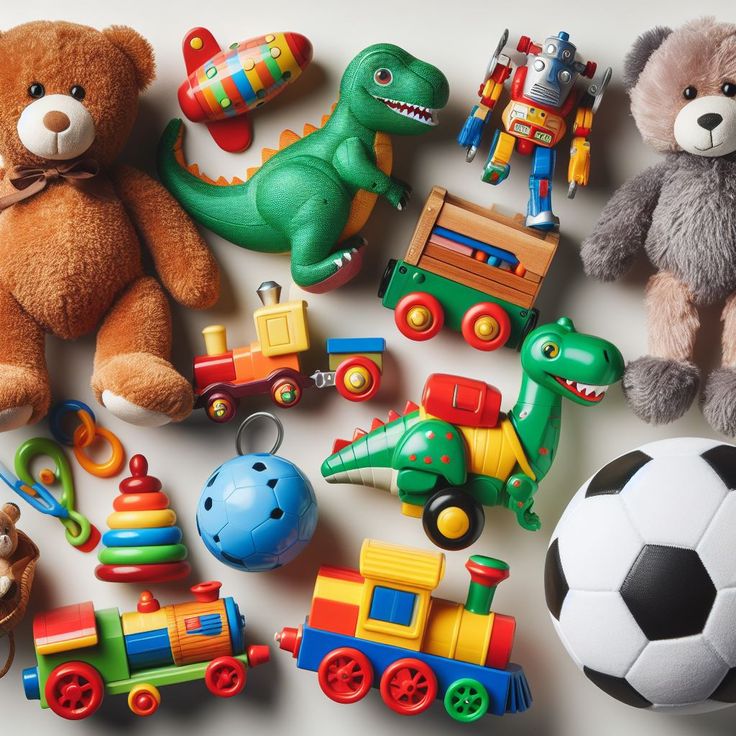
Popular examples include rattles, teething toys, activity gyms, stacking rings, plush toys, musical toys, and sensory books.
Why Baby Toys Are Important
The first years of life are crucial for brain development. During this period, babies learn rapidly through observation, touch, movement, and exploration.
Baby toys provide opportunities for infants to practice new skills while stimulating their senses. These experiences help strengthen neural connections that support learning and development.
Well-designed toys encourage babies to explore independently while building confidence and curiosity about the world around them.
Supporting Sensory Development
Babies rely heavily on their senses to understand their surroundings. Sensory toys help stimulate sight, sound, touch, and even movement.
Bright colors attract visual attention, while different textures encourage tactile exploration. Musical sounds and gentle noises help babies recognize patterns and respond to auditory stimulation.
Sensory experiences are essential because they help infants process information and develop stronger cognitive abilities.
Encouraging Visual Development
Newborn babies are still developing their vision. Toys with high-contrast patterns and bold colors can help stimulate visual growth.
As babies grow older, they become more interested in tracking moving objects and recognizing different shapes and colors.
Mobiles, colorful rattles, and activity centers are excellent tools for encouraging visual engagement and focus.
Improving Hand-Eye Coordination
Many baby toys encourage reaching, grasping, and holding. These simple actions help improve hand-eye coordination over time.
When babies reach for a toy and successfully grab it, they begin to understand the relationship between movement and results.
Repeated practice strengthens motor control and prepares babies for more advanced physical skills later in life.
The Benefits of Rattles
Rattles are among the most classic baby toys available. Their simple design provides multiple developmental benefits for infants.
When babies shake a rattle and hear a sound, they begin to understand cause and effect. This discovery supports cognitive growth and problem-solving skills.
Rattles also encourage grasping and arm movement, helping babies strengthen their muscles and coordination.
Teething Toys for Comfort and Development
Teething can be an uncomfortable experience for babies. Teething toys provide relief while supporting oral development.
These toys are designed to be safe for chewing and often feature textured surfaces that massage sensitive gums.
In addition to soothing discomfort, teething toys help babies explore different textures and sensations.
Activity Gyms and Play Mats
Activity gyms are popular baby toys because they combine entertainment and learning. These products often include hanging toys, mirrors, textures, and sounds.
Babies can reach, kick, and interact with different elements while lying comfortably on a soft mat.
These activities encourage movement and support the development of motor skills during the early months.
Soft Plush Toys and Emotional Comfort
Soft toys often become a source of comfort and security for babies. Their gentle textures provide a soothing sensory experience.
Plush toys can also support emotional development by helping babies form attachments and feel safe in new environments.
Parents should always choose age-appropriate plush toys that meet safety standards for infants.
Musical Toys and Early Learning
Music plays an important role in childhood development. Musical baby toys introduce infants to different sounds, rhythms, and melodies.
Listening to music can support language development, memory, and emotional regulation. Babies often respond positively to gentle musical stimulation.
Interactive musical toys also encourage exploration as babies learn how their actions create sounds.
Baby Toys and Cognitive Development
Cognitive development involves learning, memory, and problem-solving. Baby toys provide opportunities for infants to practice these important skills.
Simple toys that respond to touch, movement, or sound help babies understand cause-and-effect relationships.
These early experiences lay the foundation for future learning and intellectual growth.
Encouraging Physical Movement
Movement is an important part of healthy development. Many baby toys motivate infants to roll, crawl, reach, and explore.
Activity centers, rolling toys, and floor-based play equipment encourage babies to move their bodies and strengthen muscles.
Physical activity supports overall health while helping babies achieve developmental milestones.
Building Fine Motor Skills
Fine motor skills involve small movements of the hands and fingers. Toys designed for grasping and manipulation help babies develop these abilities.
Stacking rings, textured balls, and soft blocks encourage hand control and finger coordination.
Strong fine motor skills will later support tasks such as writing, drawing, and self-feeding.
Learning Through Exploration
Babies are natural explorers. They learn by touching, shaking, squeezing, and examining objects around them.
Baby toys provide safe opportunities for exploration and discovery. Every interaction helps babies gather information about their environment.
Exploration encourages curiosity and builds confidence as babies learn through experience.
Choosing Safe Baby Toys
Safety is the most important factor when selecting toys for infants. Parents should always choose products designed specifically for the baby’s age group.
Toys should be free from small parts, sharp edges, and harmful materials. Durability is also important to prevent accidental breakage.
Checking safety certifications and purchasing from trusted manufacturers can help ensure a safe play experience.
Age-Appropriate Baby Toys
Different developmental stages require different types of toys. Newborns often benefit from visual and auditory stimulation.
Older infants may enjoy toys that encourage crawling, grasping, and problem-solving. As babies grow, their interests and abilities continue to change.
Selecting age-appropriate toys helps maximize developmental benefits while keeping babies engaged.
The Role of Parents During Play
Parents play an important role in helping babies learn through toys. Interactive play sessions strengthen bonds and support development.
Talking, singing, and responding to a baby’s actions encourages communication and language growth.
Parental involvement also helps babies feel secure and confident while exploring new experiences.
Reducing Passive Screen Exposure
Many experts recommend limiting screen exposure during infancy. Baby toys provide valuable alternatives that encourage active participation.
Unlike passive digital content, physical toys require babies to interact directly with their environment.
This hands-on engagement supports healthier cognitive and physical development.
Sustainable and Eco-Friendly Baby Toys
Many parents are becoming interested in environmentally friendly baby products. Sustainable baby toys are often made from natural or recycled materials.
Wooden toys, organic fabrics, and eco-conscious manufacturing processes are becoming increasingly popular.
These products provide developmental benefits while supporting environmental responsibility.
The Future of Baby Toys
Advances in design and technology continue to improve the quality of baby toys. Manufacturers are creating products that combine safety, education, and entertainment.
Many modern toys focus on sensory learning, developmental milestones, and sustainable materials.
As research into child development expands, baby toys will continue evolving to better support early learning experiences.
Why Baby Toys Matter
Baby toys are far more than simple playthings. They support physical growth, sensory development, cognitive learning, and emotional well-being.
Every interaction with a toy provides opportunities for exploration and skill development. These experiences help shape a strong foundation for future learning.
Investing in quality baby toys can make a meaningful difference during the most important stages of childhood development.
Conclusion
Baby toys play a vital role in helping infants explore, learn, and grow. From rattles and teething toys to activity gyms and sensory play products, these toys support essential developmental milestones while keeping babies engaged and entertained. They encourage movement, stimulate the senses, and foster curiosity during a critical period of growth.
By choosing safe, age-appropriate, and high-quality baby toys, parents can create enriching experiences that support healthy development. As babies interact with the world around them, the right toys can help turn everyday moments into valuable opportunities for learning and discovery.
